
Newsletter
Long Stay Critical Care ED Boarding
Apr 12, 2023
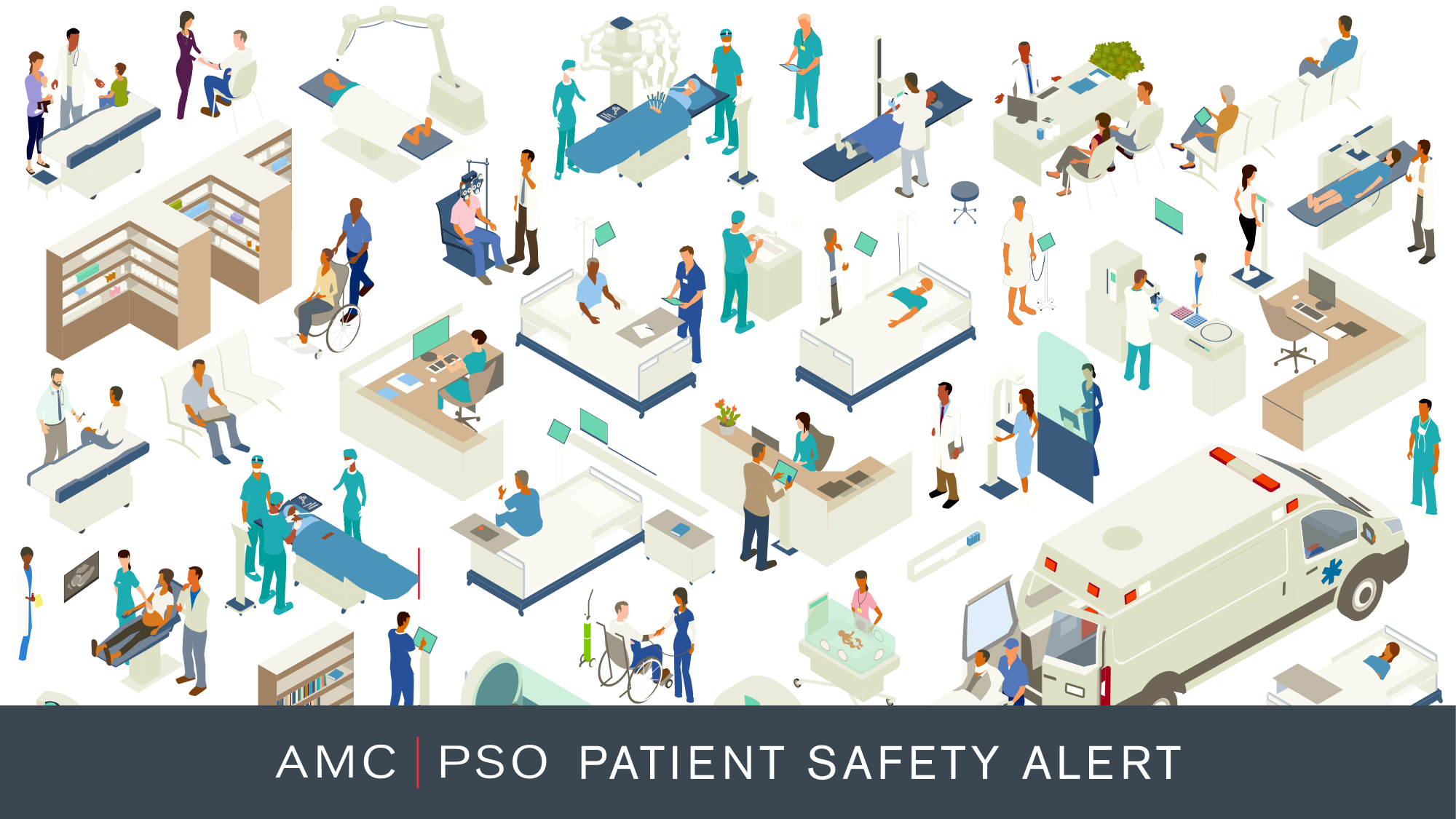
Patient Safety Alert 31: Critical Care Patients Boarding in the Emergency Department
The AMC PSO recently convened to review the care of critically ill patients who are boarded in the Emergency Department. Experts recommend ways to recognize patient safety risks and employ mitigation strategies associated with extended boarding of patients awaiting an intensive care unit (ICU) bed.
Risks
- Incomplete communication between EM and critical care providers
- Lack of Quality-of-Care Measurement for Critical Care Patients Boarded in the ED
- Unclear Critical Care Management in the ED
Learn how you can help mitigate these risks.

Download the PDF Free of Charge
Boarding of critically ill patients in the ED setting is associated with poor clinical outcomes. Find out how to improve their safety.


Recent Issues
Explore the archives.
No Surgical Items Left Behind
Newsletter
While the occurrence is rare, Massachusetts reported rising rates of retained surgical items over the past several years.

Hospital at Home (HaH)
Newsletter
Patient Safety Alert Issue 36: When implementing or expanding a HaH program, consider programmatic resources, goals, and the patient population to identify and mitigate risks and deliver safe, high-quality care.

Medication Administration in the Ambulatory Setting
Newsletter
Patient Safety Alert Issue 26: The AMC PSO convened a panel of nursing leaders to review risks in the medication delivery processes in the ambulatory setting and discuss potential interventions aimed at mitigating the risks associated with medication administration.

Patient & Visitor De-escalation
Newsletter
Patient Safety Alert Issue 25: The AMC PSO convened a panel of safety leaders to review recent trends and discuss novel interventions to mitigate the risk for hospital workplace violence, especially from patients and visitors.
Telehealth Video Series Recognized as an Exceptional Source of Educational Marketing
Press Releases
“What NOT to Do: Telehealth Lessons Learned” wins Gold Award. The Insurance Marketing and Communications Association recognized Candello for its exceptional efforts to educate and support health care professionals as they navigate the myriad challenges of telehealth care delivery.


New Candello Report Reveals Communication Failures Between Providers and Patients are Rising
Press Releases
Candello’s new benchmarking report on documentation is featured in an article on the Betsy Lehman Center for Patient Safety website. The article highlights the critical role of accurate and timely documentation in patient care.
National Study Highlights the Magnitude of Clinical Documentation Errors on Malpractice Risk
Press Releases
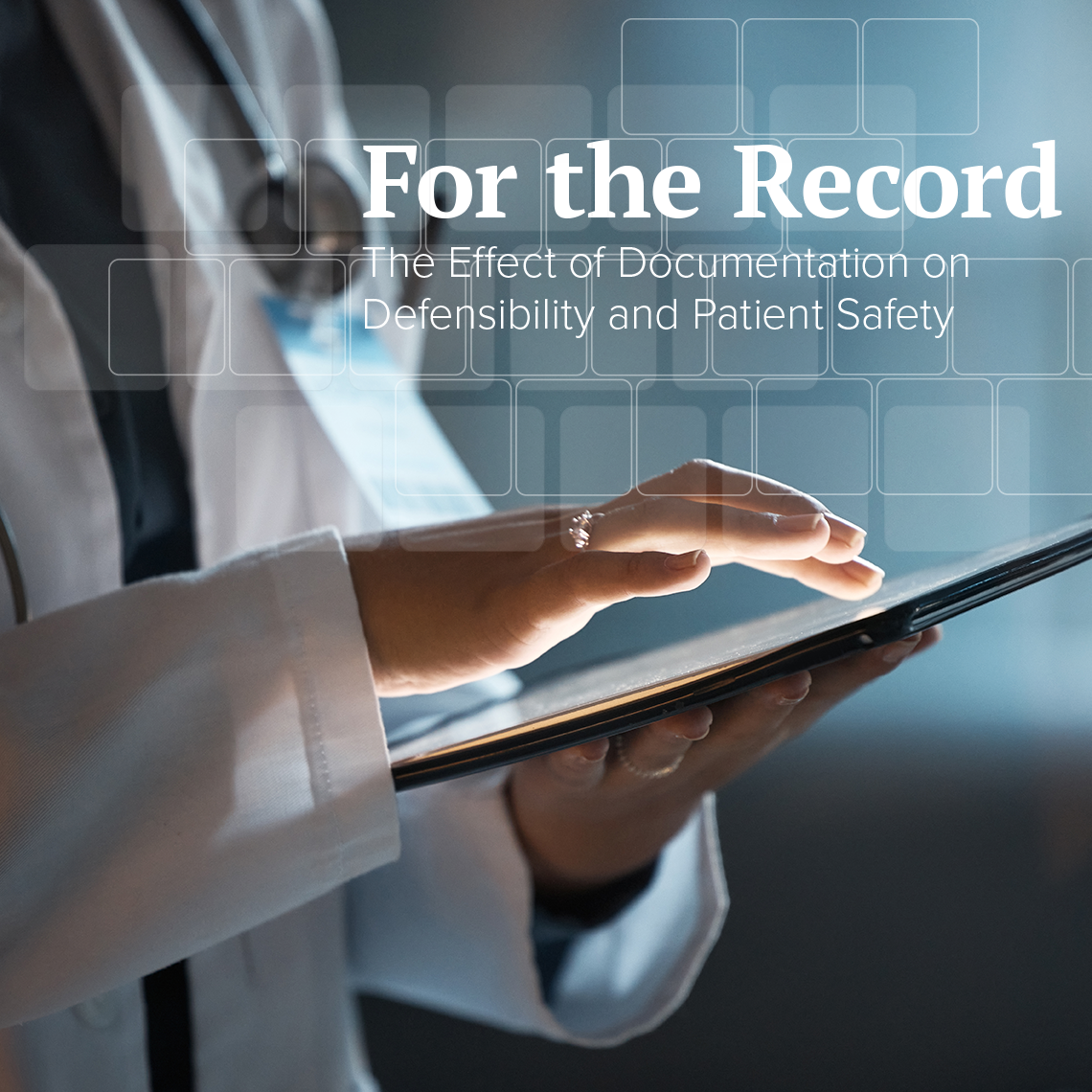
Candello, a division of CRICO, releases its latest benchmarking report, titled “For the Record: The Effect of Documentation on Defensibility and Patient Safety.” The report provides an in-depth look at one of the most persistent yet fixable risks in health care delivery: documentation.